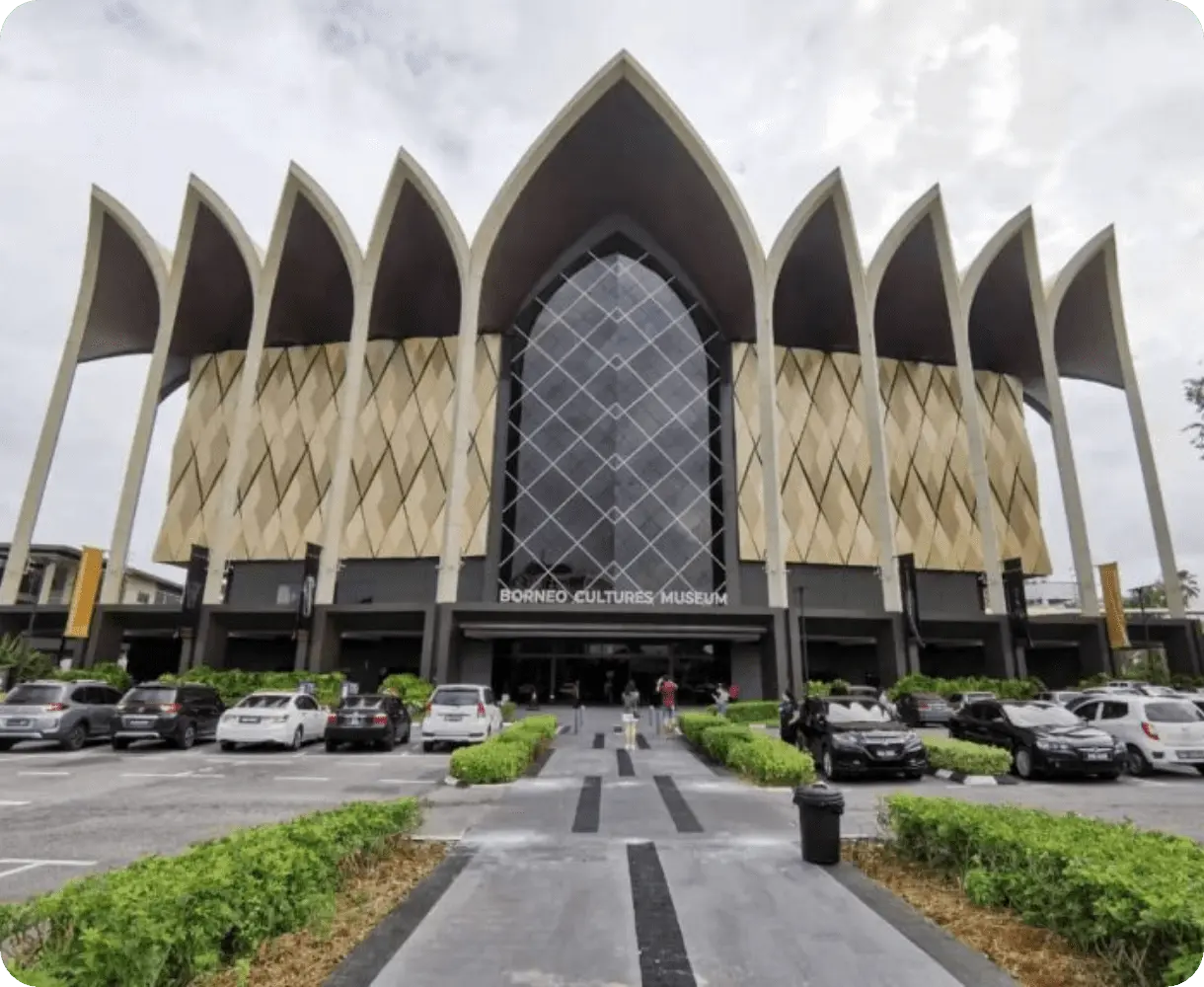
Borneo Cultures Museum
Sarawak's heritage told through distinctive architecture and exhibitions on local communities, nature, history and material culture.

The capital of Sarawak, on the banks of the Sarawak River in Borneo, and host city of the 22nd ICOMOS General Assembly and Scientific Symposium 2026.
Known for its relaxed character, cultural diversity and close relationship with the surrounding natural environment, Kuching provides a distinctive setting for ICOMOS GA2026.
The city reflects the cultural diversity of Sarawak, home to communities including the Iban, Bidayuh, Malay, Chinese, Orang Ulu and many others. Their traditions, languages, crafts, architecture, music and food contribute to the living heritage that gives Kuching its identity.
At the heart of the city is the Kuching Waterfront, stretching along the Sarawak River and connecting historic areas with contemporary landmarks. Nearby, the Main Bazaar, Carpenter Street, traditional shophouses, temples, mosques and historic buildings tell the story of Kuching's growth as a trading settlement and administrative centre.
Kuching International Airport (KCH) is the main gateway, about 10–12 km from the city centre. Depending on traffic and where you are staying, the journey takes around 20–30 minutes by taxi or e-hailing.
Grab is the easiest way to travel around Kuching: for airport transfers and for trips between hotels, the conference venue, restaurants and places of interest. It works like other ride-hailing apps, with the estimated fare and driver's details shown in the app.
Whichever way you travel from the airport, keep your hotel's name and address to hand.

Museums, living cultural traditions, rainforest encounters and marine conservation, all within reach of the city.
Sarawak's heritage told through distinctive architecture and exhibitions on local communities, nature, history and material culture.
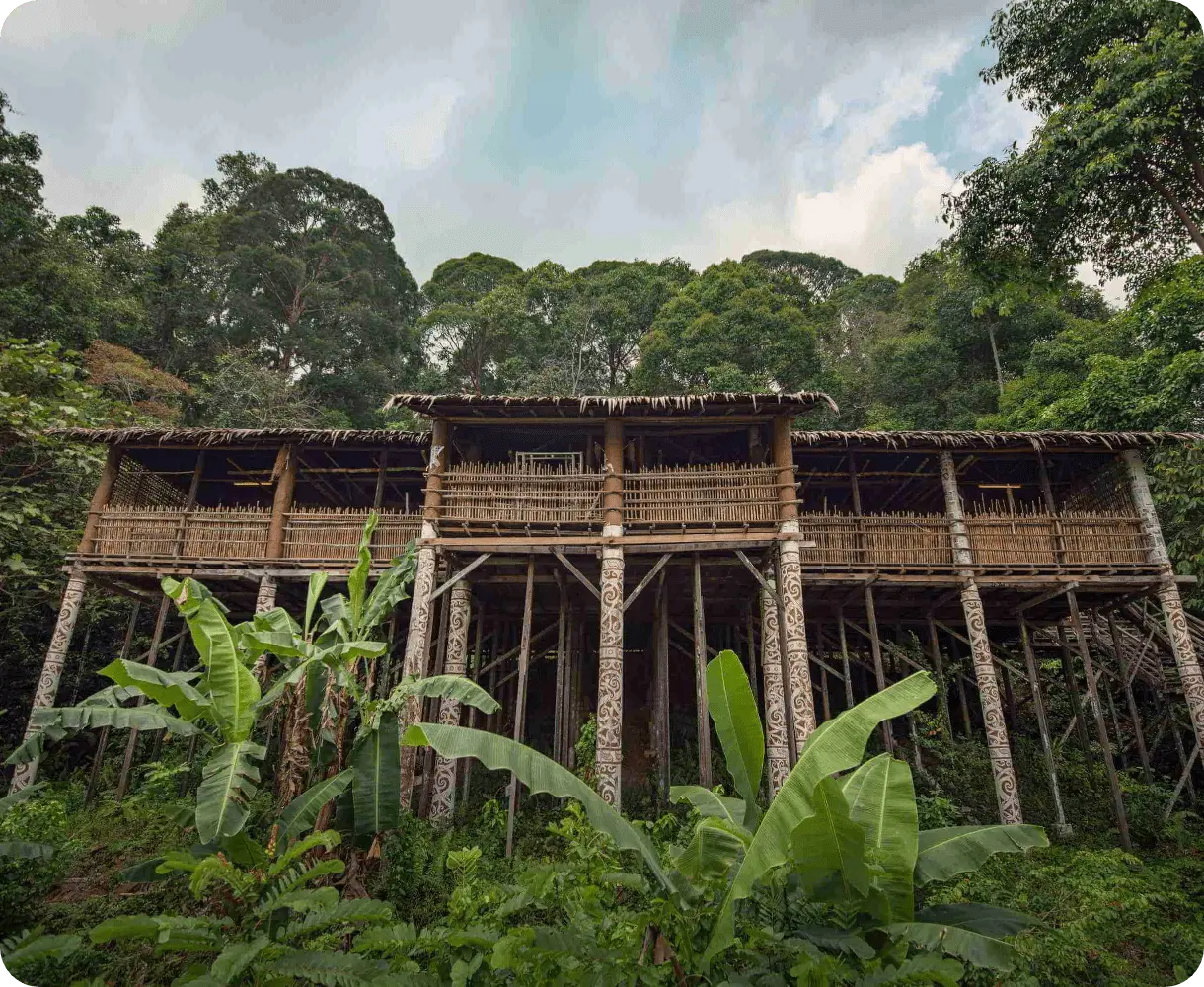
A living museum of the state's communities, with traditional houses, cultural performances and local cuisine.
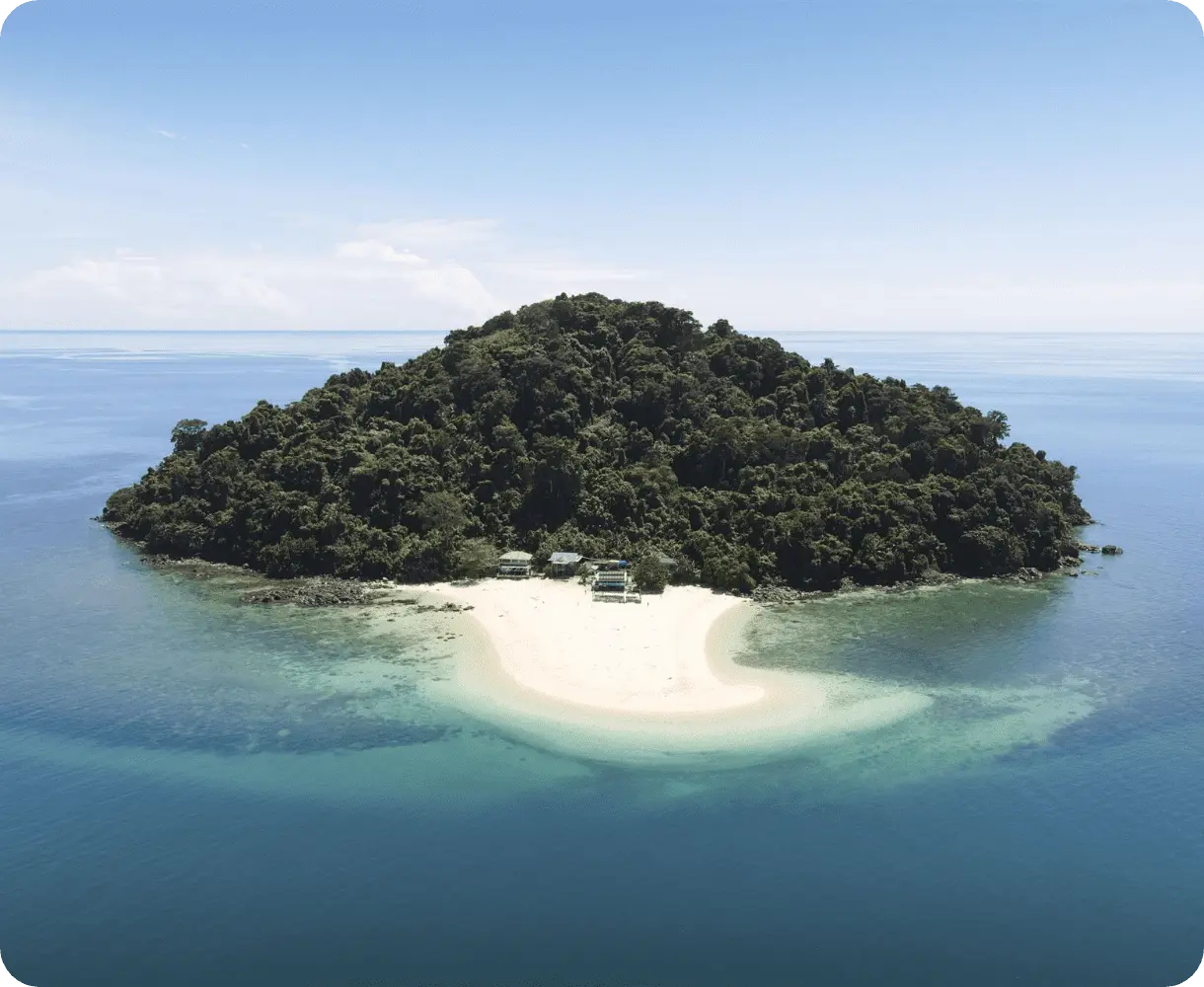
Sarawak's first marine protected area, gazetted in 1999 for marine turtle conservation, covering the waters around four islands off the coast.
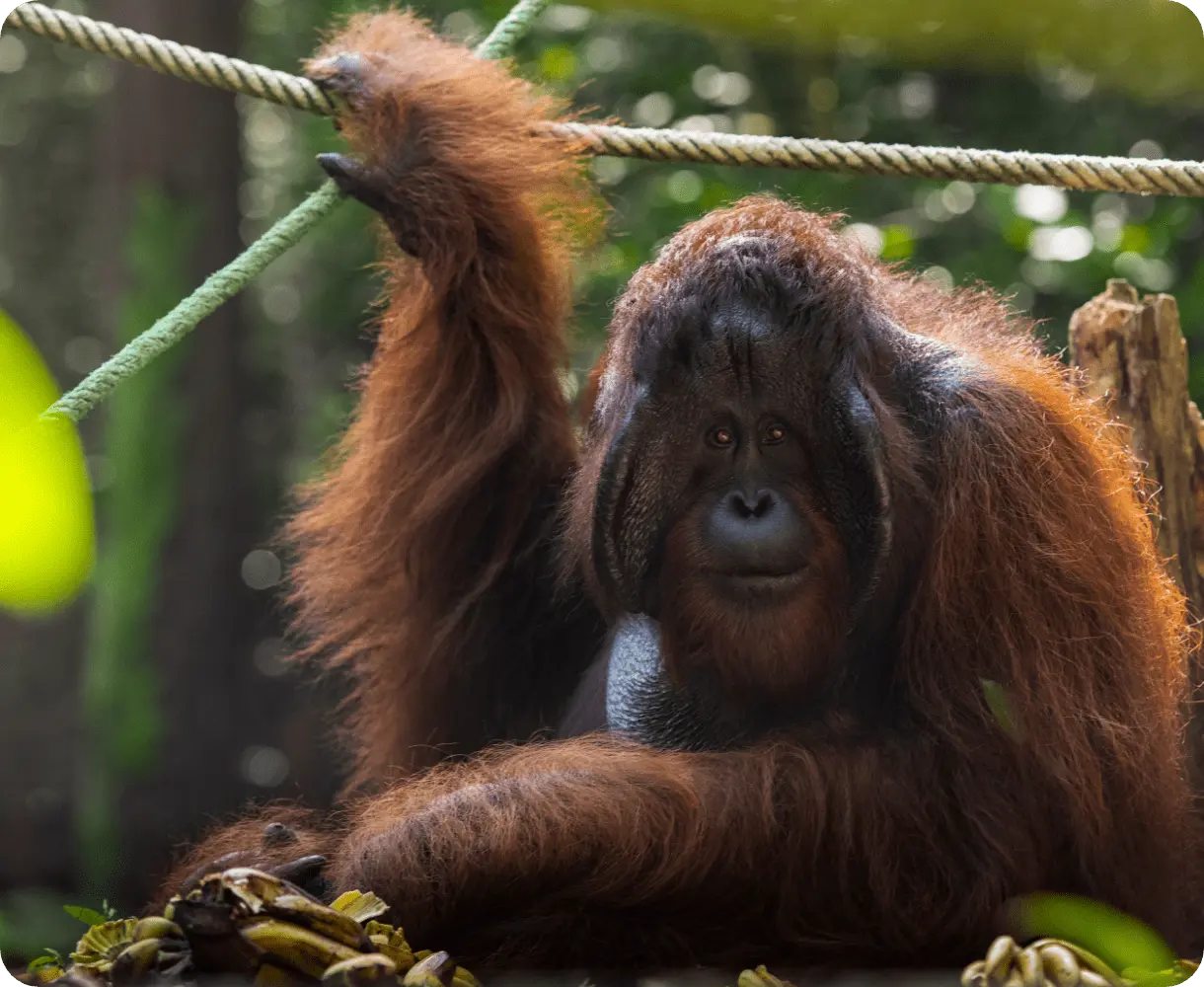
Established in 1975, an orangutan rehabilitation centre and home to semi-wild orangutans among a wide variety of flora and fauna.
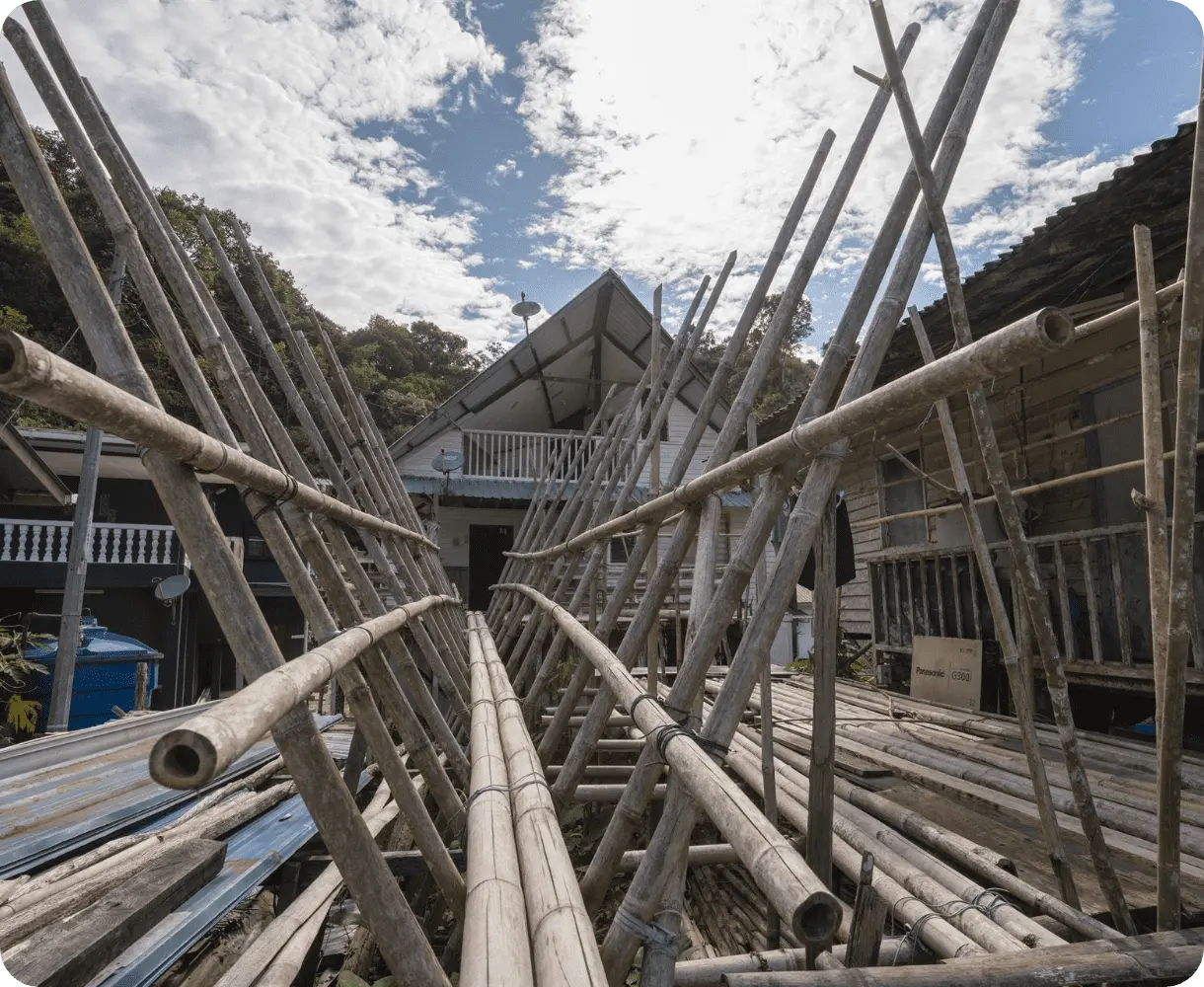
About 60 km from the city, through rainforest and the Padawan range. The longhouse has more than 80 doors, or families, and parts still use traditional ironwood and mature bamboo construction.
Kuching is a gateway to Sarawak's national parks, highlands, caves and rainforests, including two UNESCO World Heritage properties.
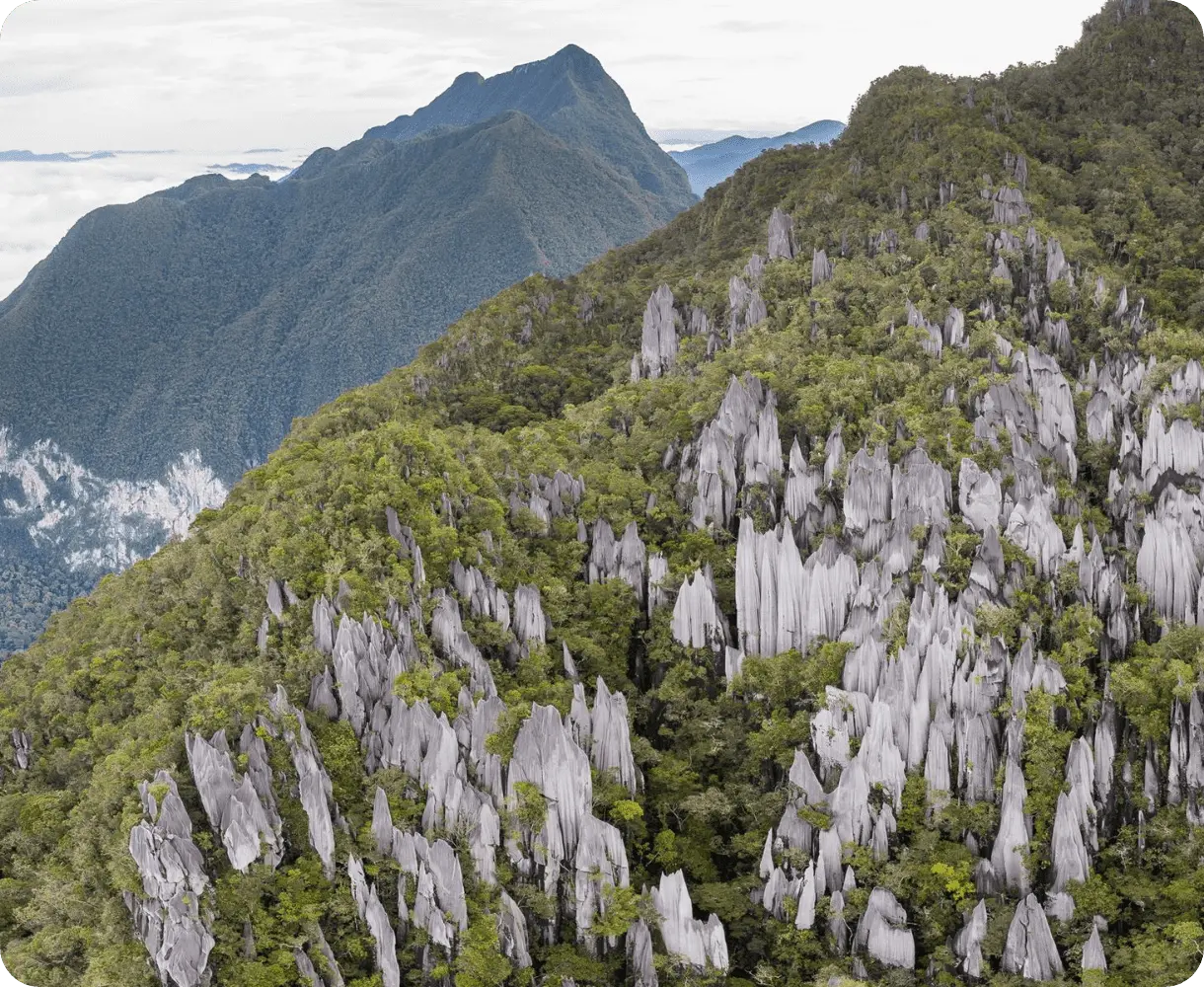
Sarawak's largest national park, renowned for limestone cave systems including the Sarawak Chamber, Deer Cave and Clearwater Cave, with a bat observatory, rainforest canopy skywalk and trails through dramatic terrain.
UNESCO World Heritage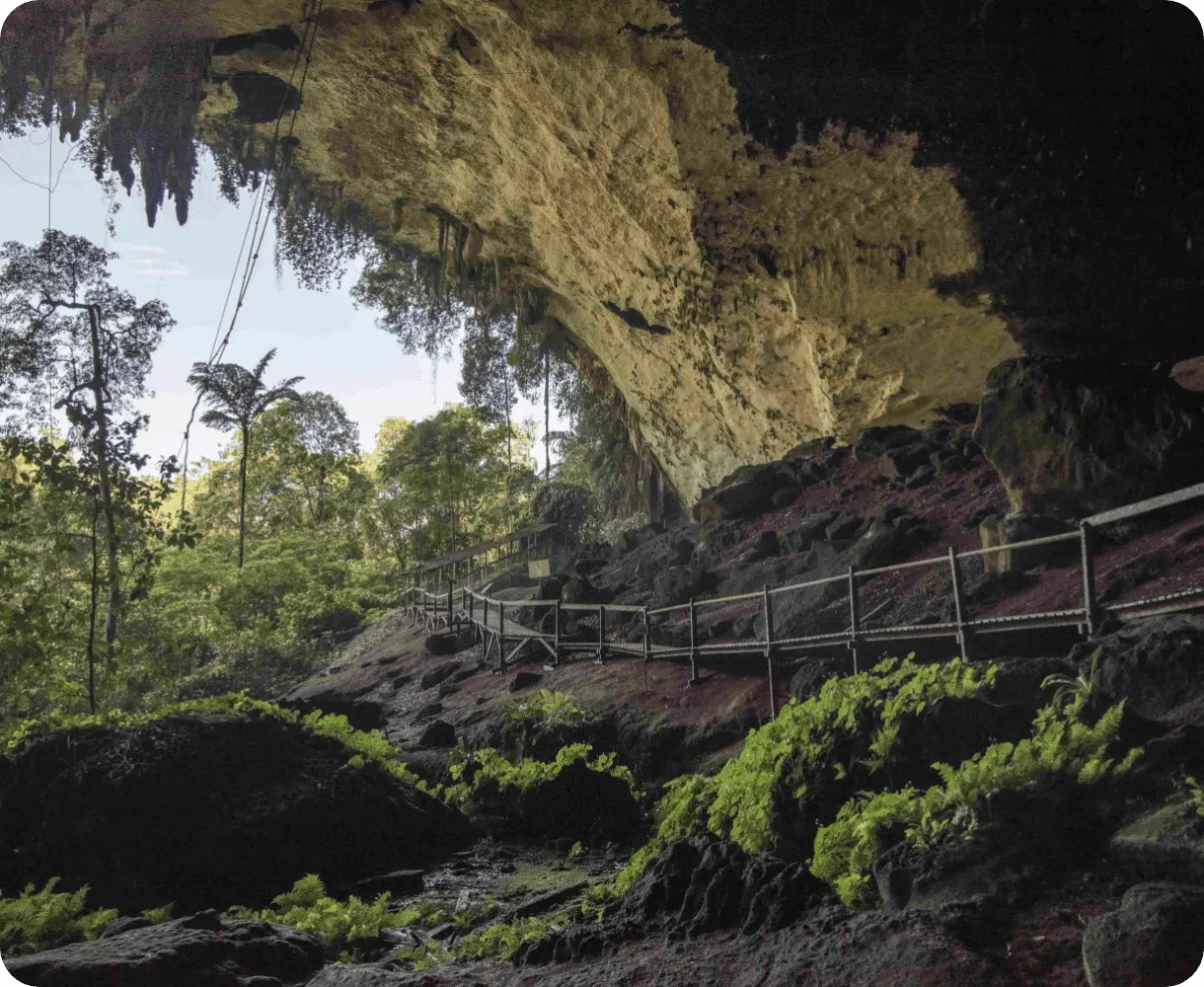
Around 100 km south of Miri, an extensive cave network with cave paintings and ancient wooden coffins. The caves are associated with some of the oldest human remains found in Asia, dating back about 40,000 years.
UNESCO World Heritage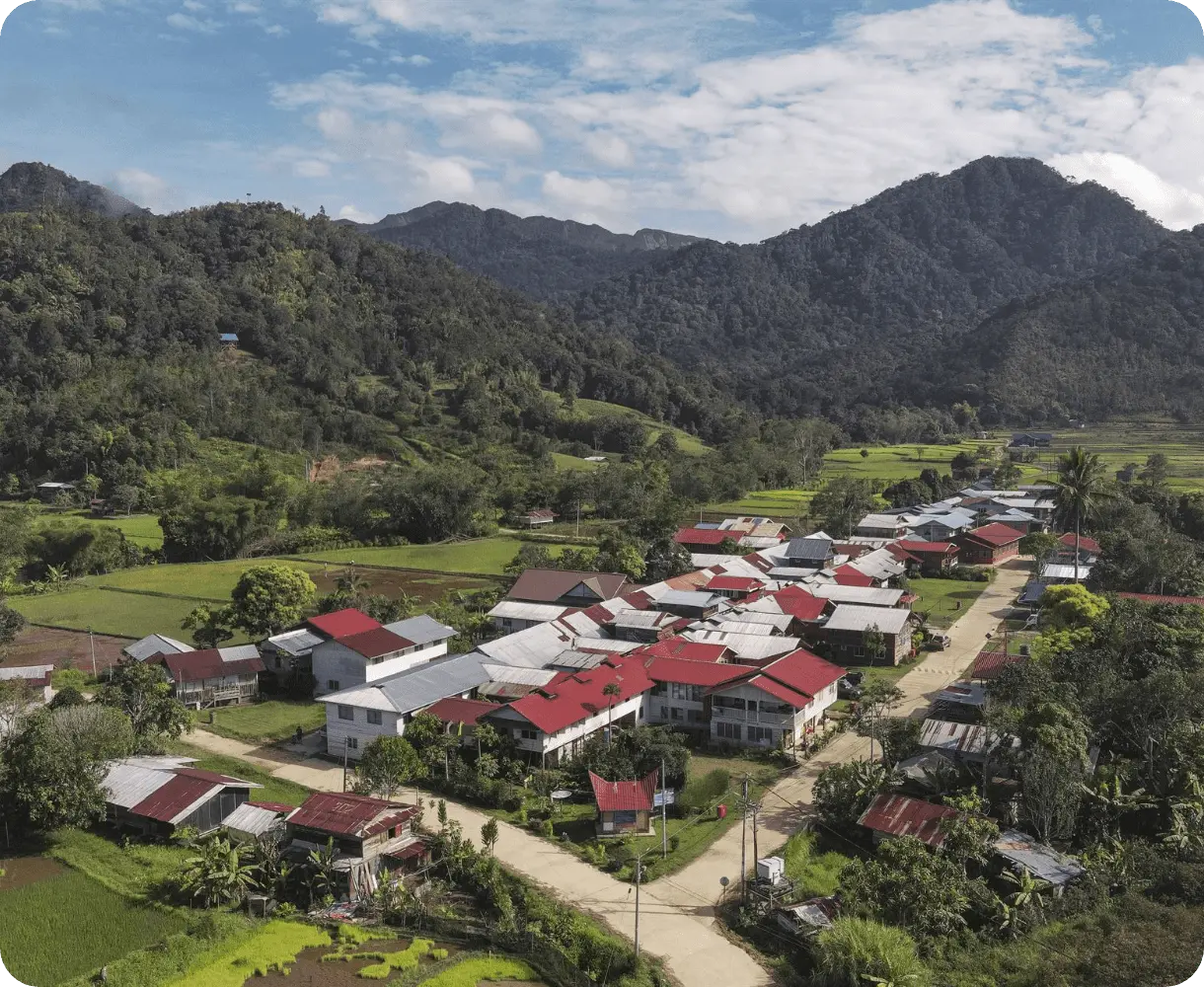
Homeland of the Kelabit community in the heart of Borneo, known for traditional longhouses set in highland landscapes about 1,200 metres above sea level, near Pulong Tau National Park.
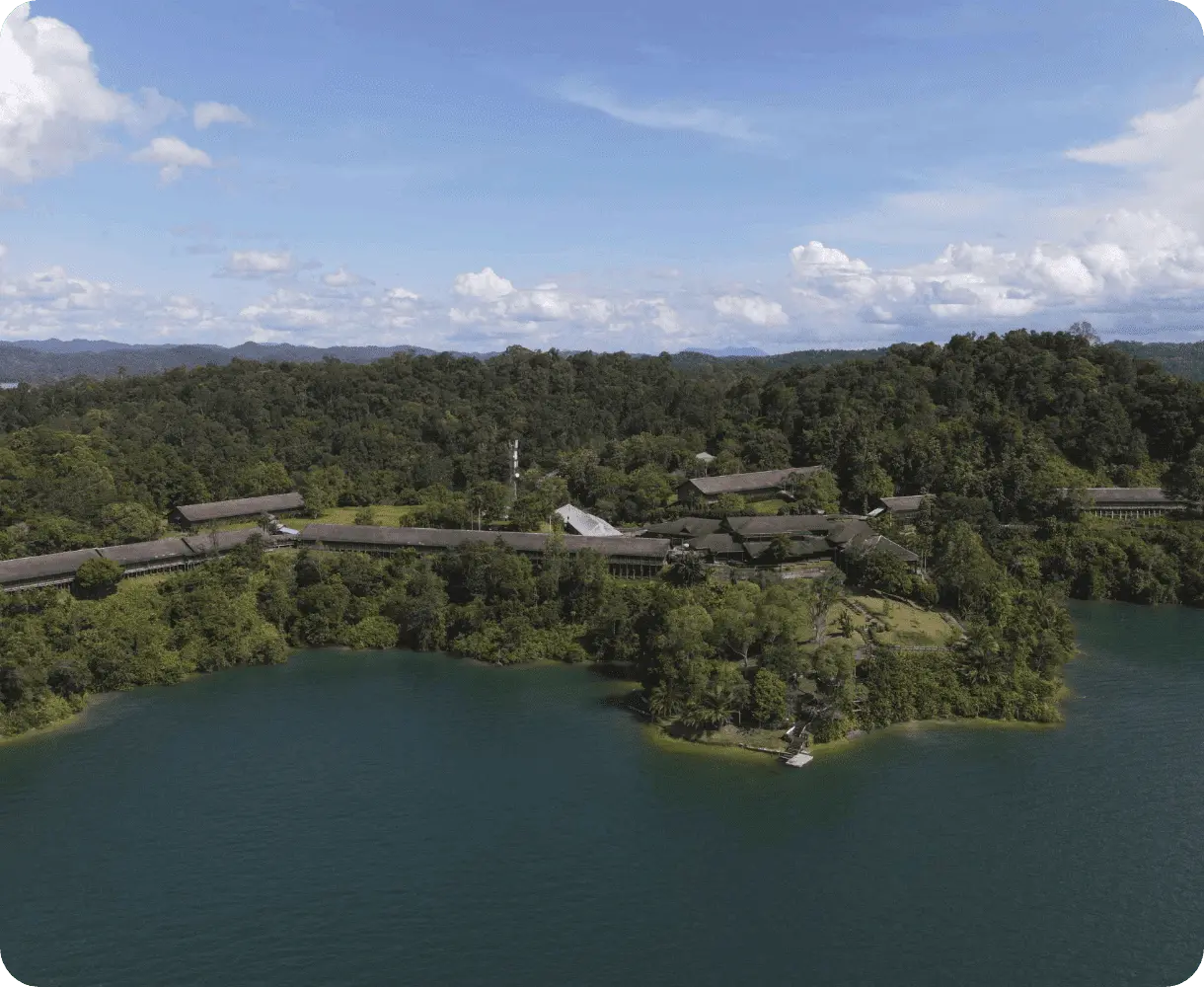
Part of a major trans-national rainforest conservation area shared with protected landscapes in Malaysia and Indonesia, supporting one of the important Bornean orangutan populations.
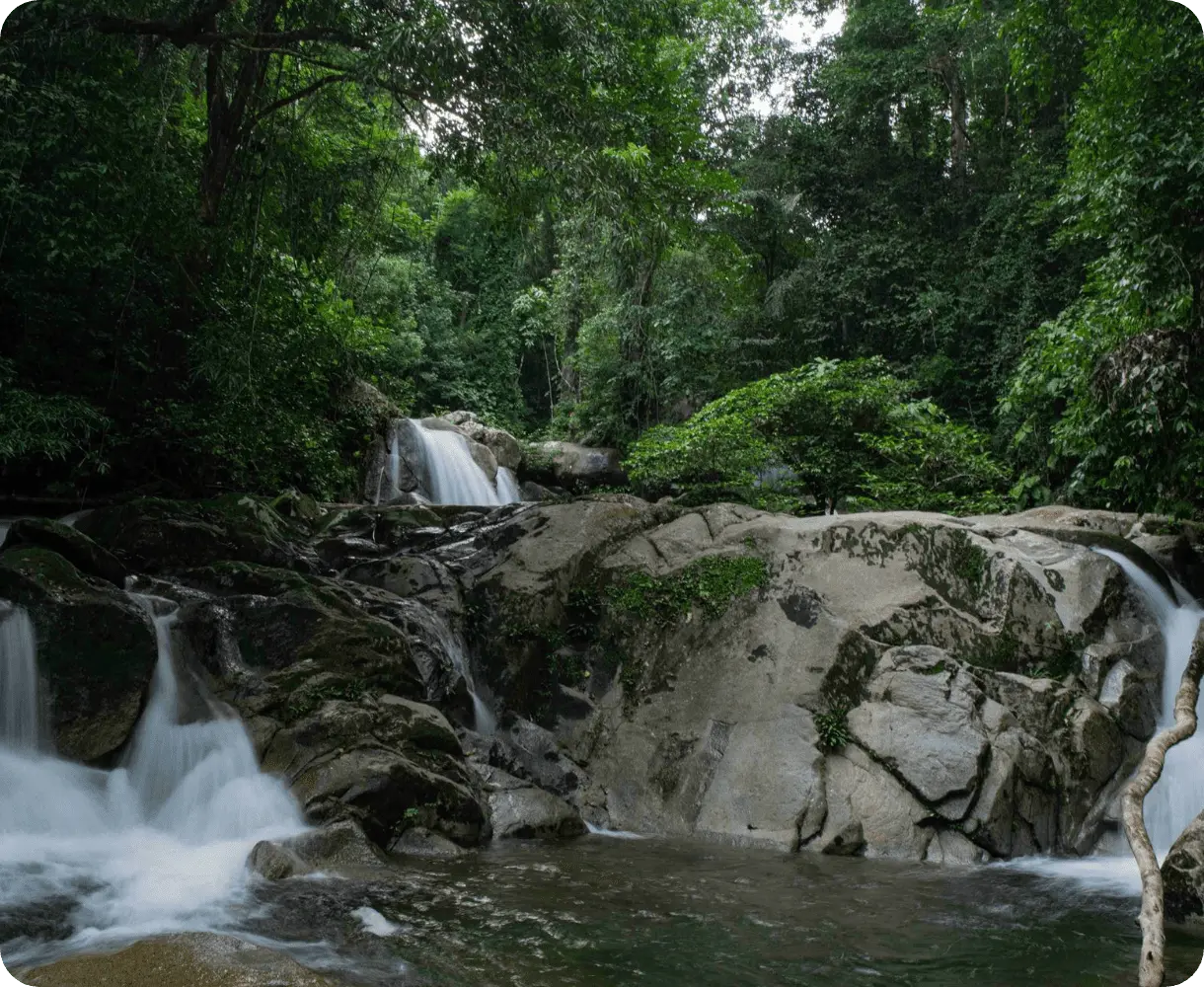
Near Lundu, with rainforest trails and the chance to see the Rafflesia, the world's largest flower, in bloom. The mountains form a backdrop to Lundu and the beaches of Pandan and Siar.